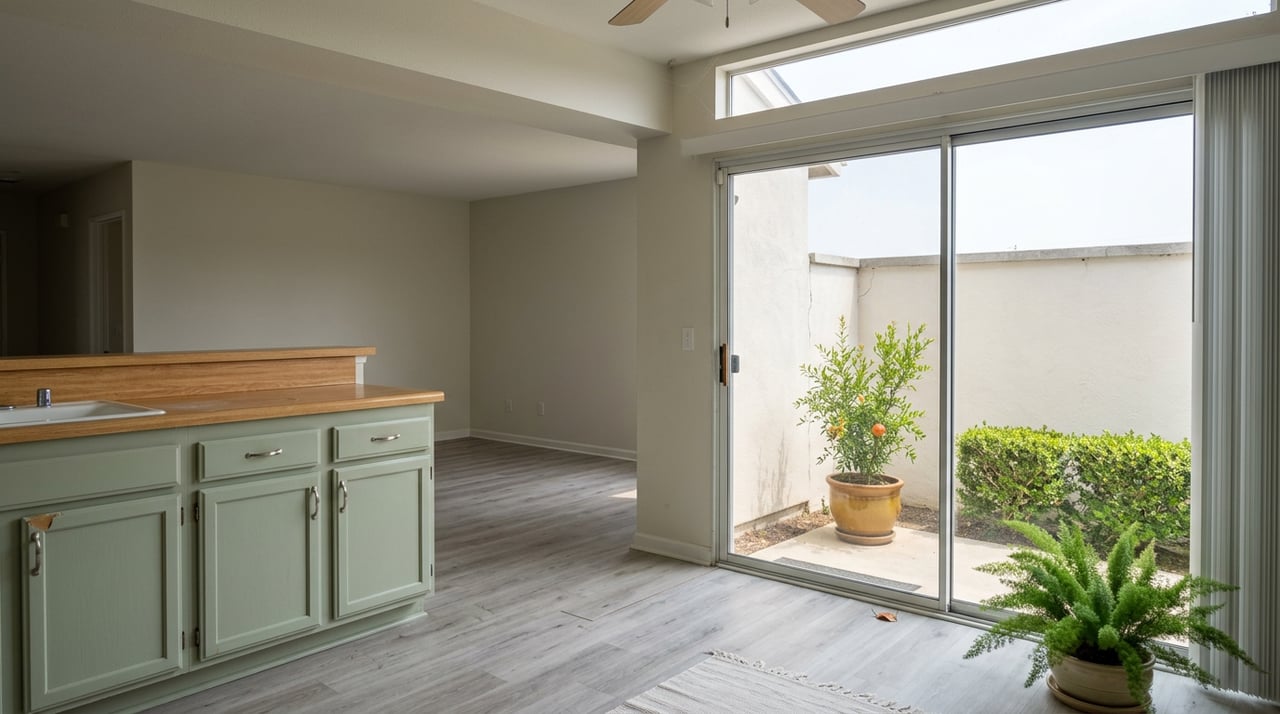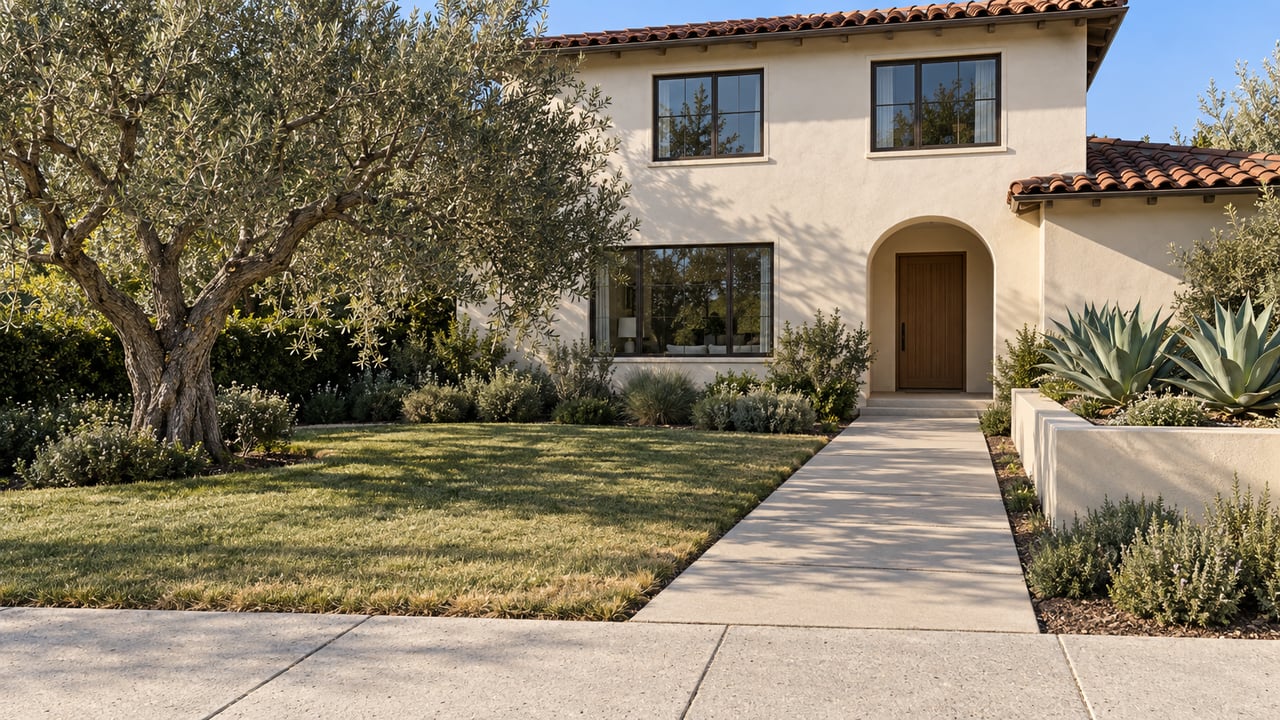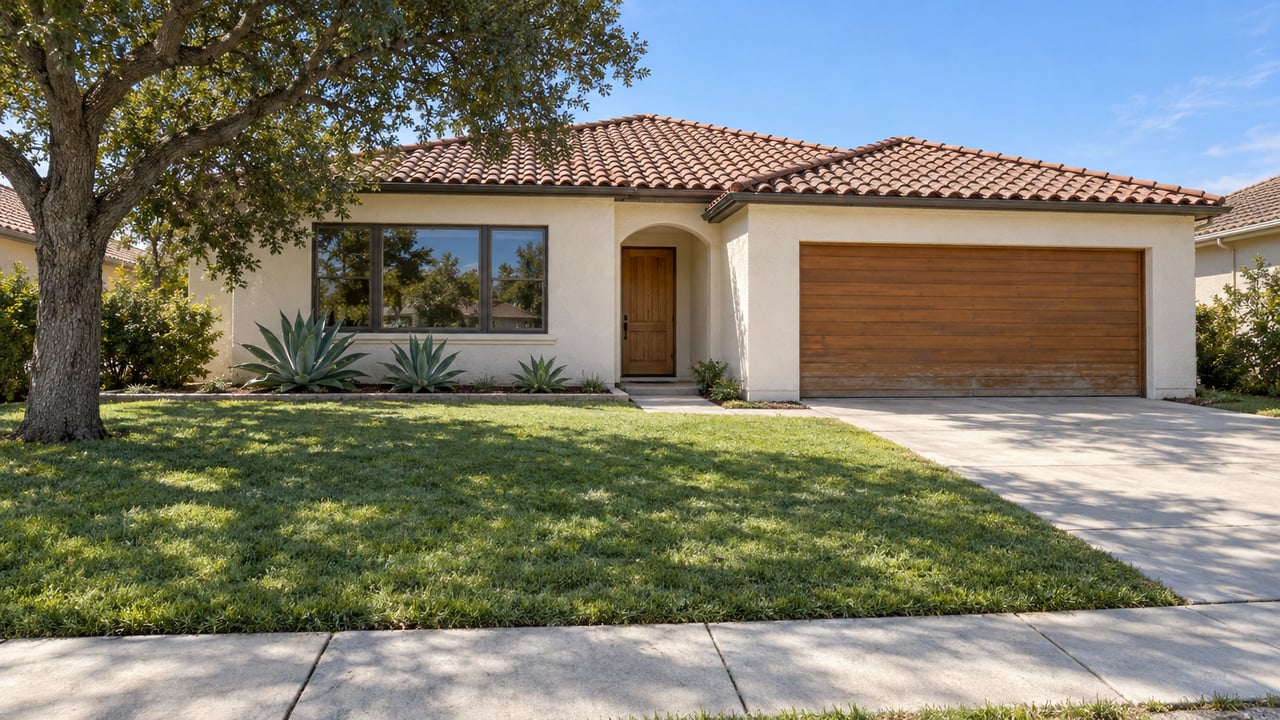
Picture two Irvine listings side by side. Same asking price, same square footage, same three-bedroom floor plan on paper. One sits in an established village built before the city started financing infrastructure through special tax districts. The other sits in a Great Park Neighborhood built in the last decade. A buyer comparing the two on Zillow-style numbers alone would call them a coin flip.
They are not. One of these homes carries an annual tax obligation that is scheduled to end. The other carries one that, by the city's own staff reports, is not.
That difference rarely shows up in a listing description, and it is the single biggest reason two "comparable" Irvine homes can diverge by thousands of dollars a year in what they actually cost to own.
The Word Everyone Assumes: Temporary
Mello-Roos is not new to Irvine, and most buyers who have shopped here for more than a week have heard the term. It is a special tax authorized under California's Community Facilities District Act of 1982, the workaround cities adopted after Proposition 13 capped ordinary property tax growth and left them short on money for the roads, parks, and schools that new development requires. A city forms a Community Facilities District, issues bonds against future tax revenue, and homeowners in that district repay the bonds through an annual special tax that rides alongside their regular property tax bill.
The general expectation, and the one baked into most explanations of how this works, is that the obligation has a shelf life. Bonds typically get structured to pay off over time, and once they're retired, the special tax tied to that bond issue goes away.
That expectation holds for a lot of Irvine's CFDs. It does not hold for all of them.
CFD No. 2013-3 Was Built Differently
On March 26, 2013, the Irvine City Council approved the formation of a Community Facilities District tied to the Great Park and the neighborhoods being built around it, later filed as CFD No. 2013-3. In July 2014, the city issued $72.7 million in special tax bonds under that district to fund infrastructure for Pavilion Park, a 726-home neighborhood. Beacon Park's bonds followed.
The detail that separates this CFD from the standard playbook shows up in the city's own staff reporting. According to the staff report cited by Irvine Watchdog, a civic organization tracking city hall issues, there is "no realistic way to terminate the perpetual term of the Special Tax" before all the bonds tied to it are repaid. The tax itself is also structured to climb, adjusted upward by as much as 2 percent a year. And when the roughly 40-year bond period finally does run its course, the tax does not disappear. It steps down to a reduced amount and continues, functioning from that point forward as something closer to a permanent maintenance assessment than a bond repayment that eventually sunsets.
In practical terms, a Great Park homeowner isn't paying down a debt with an end date the way a typical CFD works. They're funding an obligation that shifts form but doesn't expire, layered on top of whatever HOA dues their neighborhood already charges for private amenities.
The Line Item That Doesn't Match the Asking Price
Irvine Watchdog put this into a real comparison rather than an abstract one. Looking at two Irvine properties with a similar total net taxable value, both already sitting in Mello-Roos districts and both listed at similar asking prices, the group found the base line items tracked closely until the CFD special tax entered the picture. The Great Park Neighborhood property came in almost $6,000 higher per year than the comparable home, driven entirely by the CFD 2013-3 line.
That comparison matters because it wasn't stacking a CFD home against a CFD-free one. It was two homes that both had a Mello-Roos tax on the bill, and the gap still ran to thousands of dollars a year, because not every Mello-Roos obligation in Irvine is structured the same way or sized the same way. A buyer who assumes "it has Mello-Roos" and "it has Mello-Roos" are the same category of cost is working from the wrong assumption before they've even toured the second house.
Which Villages Actually Carry This, and Which Don't
Irvine grew in phases over four decades, and CFD financing wasn't part of the toolkit for the earlier ones. That leaves a rough but real dividing line across the city.
| Villages typically with little to no Mello-Roos | Villages that typically carry active CFDs |
|---|---|
| Northwood | Great Park Neighborhoods (Beacon Park, Pavilion Park) |
| Turtle Rock | Portola Springs |
| Woodbridge | Orchard Hills |
| Oak Creek | Stonegate |
| Most of University Park | Woodbury |
| Cypress Village |
That table is a starting point, not a guarantee. Phases within the same village were sometimes financed differently, so one tract can carry a CFD while the block next to it does not. The City of Irvine currently maintains three of its own Community Facilities Districts, and the Irvine Unified School District layers on 11 more covering much of the city, which means a single parcel can sit inside more than one CFD at once. The only way to know for certain is to check the specific parcel, not the village name on the listing.
What This Does to the Math You're Actually Running
The base property tax rate in California is capped, with local voter-approved bonds typically nudging Irvine's older neighborhoods to somewhere around 1.05 to 1.1 percent. Add an active CFD and that effective rate climbs. Lending industry guidance for 2026 puts effective rates in CFD-heavy zip codes in the range of 1.5 to 1.7 percent of purchase price, against 1.1 to 1.3 percent in areas without one, and Irvine's newer, higher-CFD tracts can run past that.
Two mechanics make this worse than a simple line-item add. First, Mello-Roos is not based on your home's value, so it doesn't shrink if the market softens or grow proportionally slower than a percentage-based tax would. It follows the CFD's own formula, which in the Great Park's case means an annual increase regardless of what's happening to home prices around it. Second, a higher CFD payment is another cost to account for before you ever get to the interest rate conversation.
There's a resale angle too. A buyer shopping five years from now will run the same math you're running today. A home carrying a heavier, non-expiring special tax has to compete on price or terms against comparable homes with a lighter one, which is worth factoring in if you're weighing a Great Park purchase as a long-term hold versus a shorter one.
How to Check Before You Write the Offer
The special tax shows up on the Orange County property tax bill under "Special Assessment Charges," typically listed by the actual name of the CFD bond issued by the city or agency rather than a generic "Mello-Roos" label. The Orange County Treasurer-Tax Collector's office maintains lookup tools and historical CDIAC reports by parcel that let you trace a specific bond back to its issuing agency and terms.
Beyond the tax bill, ask for the CFD's Rate and Method of Apportionment, the formation document that spells out exactly how the tax is calculated and whether it's fixed, escalating, or tied to square footage. The City of Irvine's Finance Department can provide RMAs and annual reports for city-formed CFDs, and the Irvine Unified School District maintains its own for the districts it controls. If a home is new construction, the builder's disclosure package should include a projected first-year tax estimate, but that's a starting number, not a locked one, so it's worth asking specifically whether the amount has adjusted each year as scheduled.
A Few Questions Worth Asking Before You Compare Two Villages
Does every new Irvine neighborhood have a Mello-Roos tax that never ends? No. Most CFDs in Irvine are structured with a defined bond payoff window, after which the special tax tied to that bond retires. The Great Park's CFD No. 2013-3 is the notable exception, structured to convert into a reduced but ongoing charge after the bond period rather than ending outright.
If two homes are both in Mello-Roos districts, does that mean their costs are roughly equal? Not necessarily. As the Irvine Watchdog comparison showed, two similarly priced homes that both carry a CFD tax can still differ by thousands of dollars a year depending on which specific district each parcel falls into and how that district's formula is structured.
Can I find out the exact amount before I make an offer? Yes. The current amount will appear on the seller's most recent county tax bill, and you can verify it independently through the Orange County Treasurer-Tax Collector's parcel lookup. For anything projected to change, request the CFD's RMA and its most recent annual report directly from the issuing agency.
If you're comparing an established village against a newer Great Park or Portola Springs address and want the real, parcel-level tax picture before you fall for a floor plan, that's exactly the kind of groundwork Doug Merlino walks Orange County buyers through before an offer goes in. Reach out, and let's pull the numbers on the specific homes you're actually considering.
This article is general information, not legal, tax or financial advice. Consult a qualified professional about your situation.