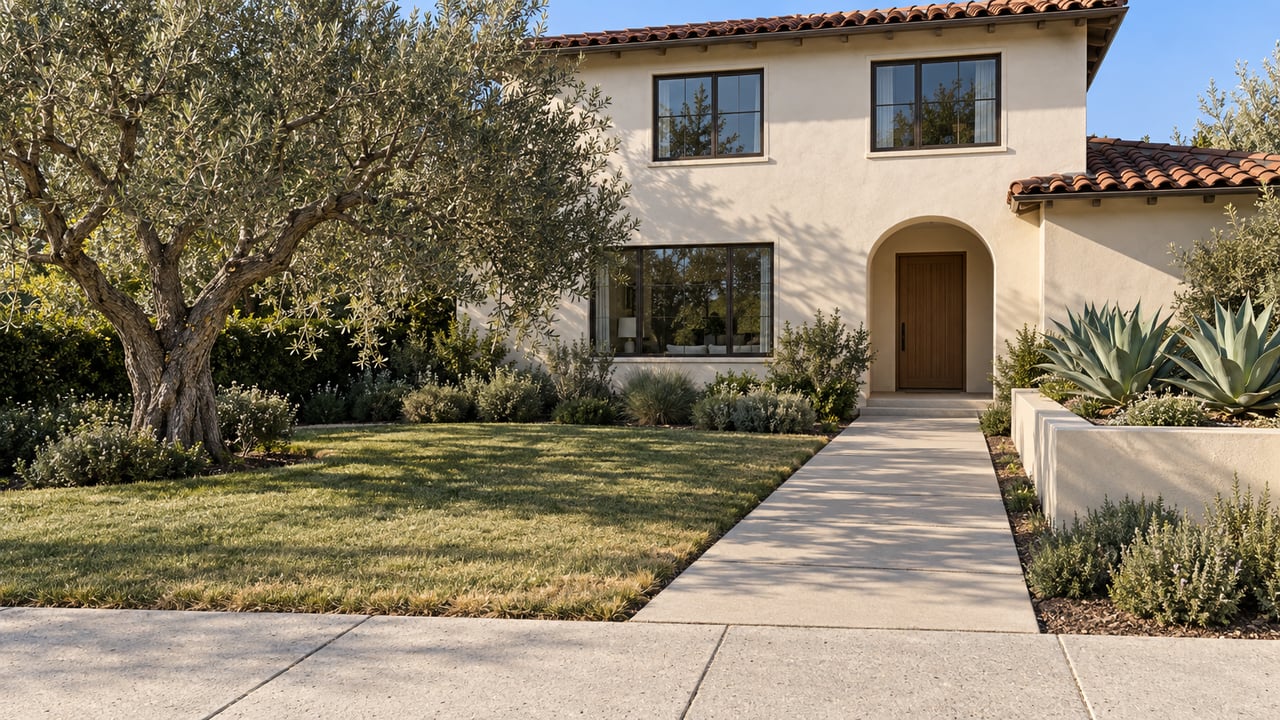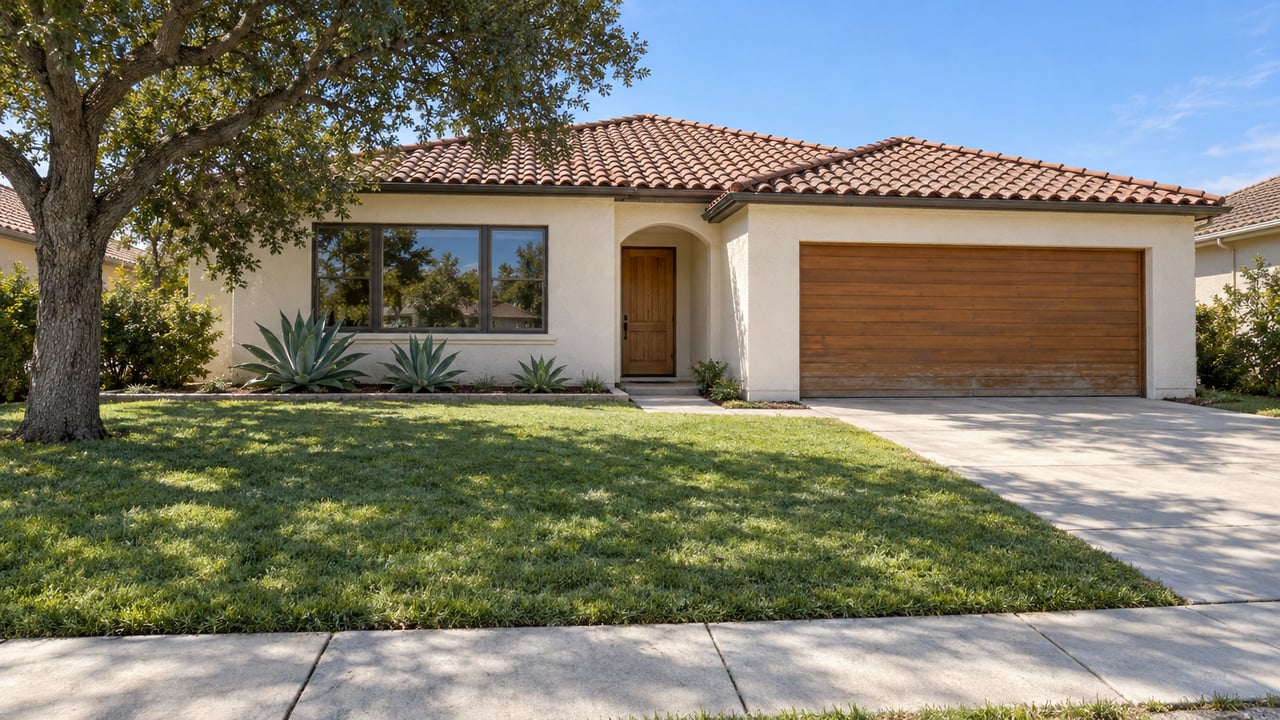
Ten oceanfront homes are under construction on Pacific Coast Highway between Goldenwest Street and Seapoint Street, priced from $7 million to $8 million each, on a parcel that produced oil for close to a century. WJK Development Co., based in Irvine, bought the nearly one-acre site from California Resources Corporation for $10.3 million in 2024. Grading started in late 2025. The homes are expected to be ready sometime in 2026, and given the pricing and the scarcity of true oceanfront land left in Orange County, they could sell before the project is finished.
That project is not an outlier. It's the pattern. Huntington Beach's oil field has been producing since May 24, 1920, when the Huntington A-1 well came in, and by that October the field already had 59 producing wells. California Resources Corporation still operates it today. What's changed is not the ground. It's what's built on top of it, and the fact that some of the most expensive new construction in the city right now sits directly on that history should reshape how a buyer thinks about due diligence. New doesn't mean clean. It often means the opposite: the newest projects are new precisely because they're the ones working through the process of building on land the oil industry occupied first.
What City Specification 429 Actually Requires
Huntington Beach has its own code for development inside its methane district, called City Specification 429. It requires methane gas testing, a full accounting of any oil and gas wells on or near the property, and a determination of whether the structure needs a Vapor Intrusion Mitigation System engineered into it. That's a physical barrier system, not a paperwork formality, and whether a lot needs one depends on soil vapor readings and well proximity, not on how new the construction is.
Separately, the city's municipal code on nonproducing and idle wells sets its own bar. A well that fails to produce at least 90 barrels of crude oil or 100,000 cubic feet of natural gas in a calendar quarter gets declared nonproducing, and two consecutive quarters of that gets it declared idle, which starts a six-month clock for the operator to abandon it. No building or grading permit gets issued for a parcel with an active or abandoned well on it without sign-off from the Fire Code Official, confirming compliance with a different specification, City Specification 422. That detail matters beyond new construction. A resale buyer planning a remodel, an addition, or an ADU on an older lot can trigger this same review the moment they pull a permit, even if the well on their parcel has been quiet for decades.
Any well that does need to be dealt with has to be re-abandoned to CalGEM's current standards, which are substantially more rigorous than what was required when many of these wells were first capped decades ago. That's the part easy to miss. A well plugged in the 1950s met the standard of the 1950s. Redevelopment today means meeting today's standard, which is a different and more demanding process, and it's one reason WJK's CEO publicly described the site work at 1810 PCH as a complicated due diligence process involving a nearby abandoned well.
Three Projects Working Through the Same Process Right Now
1810 PCH isn't the only place this is playing out.
Shopoff Realty is redeveloping a 29-acre former oil storage site known as Magnolia Tank Farm into roughly 200 single-family homes, a 50-unit affordable multifamily complex, a 215-room hotel, and about 19,000 square feet of retail. Shopoff bought the property in 2016, after most of the tank infrastructure had already come down, and secured approvals from the California Coastal Commission and, in summer 2025, from the Huntington Beach City Council. The project has drawn sustained opposition. Environmental groups including Surfrider Foundation and the California Coastal Protection Network sent the Coastal Commission a formal letter in July 2024 arguing the site is flood-prone, sits on a fault line, and sits next to a former Ascon Superfund dumping site that stopped operating in the 1980s.
At the same time, California Resources Corporation has applied to the city to rezone a stretch of its working oil field for residential and commercial use, which the company says could support up to 800 homes, up to 350 hotel rooms, and about 23 acres of parks and open space. That application still needs approval from the city's planning commission, the City Council, an amendment to the city's Local Coastal Program, and sign-off from the California Coastal Commission. As of last spring, a company spokesperson estimated the City Council review could come by mid-2026. If it goes forward, dozens of active oil wells and other production facilities on that land will need to be phased out and cleaned up before homes go in.
Even the city's own property isn't exempt from this. Huntington Beach has been working through the abandonment of three oil wells sitting in its City Hall parking lot, one dating to 1924 and two to 1954, wells the city has operated since acquiring the property in 1971 and is now retiring because they're no longer economically worth running. If the city's own parking lot needs this process, it's a reasonable baseline for what any buyer should expect to ask about on a residential parcel with a similar history.
Disclosure Covers What's Known and What's Asked
California law has seller-disclosure requirements, but that is only one part of the picture. Well records in Southern California go back over a century, and older wells were not always mapped with the precision modern development requires.
For a property near the city's methane district or its historic field, the standard Transfer Disclosure Statement and Natural Hazard Disclosure report are the floor, not the ceiling. A buyer serious about a specific address should be asking for more before writing an offer:
- Phase I and, if warranted, Phase II Environmental Site Assessment reports
- CalGEM well abandonment certifications for any wells on or near the parcel, which can be checked directly through CalGEM's public Well Finder tool
- Methane and soil vapor testing results required under City Specification 429
- Documentation of any Vapor Intrusion Mitigation System built into the structure
- Any conditions of approval from the Coastal Commission or the city tied to ongoing environmental monitoring
- The complete Natural Hazard Disclosure report and Transfer Disclosure Statement, read in full rather than skimmed for a checkbox
None of this means a home with oil-field history should be avoided. It means the paperwork trail is longer, and the buyer who requests these documents independently is in a stronger position than one relying on disclosure alone.
A Few Questions Worth Asking Before You Tour
Does this apply to every home in Huntington Beach? No. The methane district and the historic oil field cover a defined footprint, not the entire city, so the specific address matters more than the general neighborhood. CalGEM's Well Finder lets you search by address to see what's mapped nearby.
If a well was capped decades ago, is that the end of it? Not automatically. CalGEM can require re-abandonment to current standards whenever new construction, grading, or certain permits trigger a review, and a well capped in the 1950s or 1960s was capped to a lower bar than what's required today.
I'm buying a resale home, not new construction. Does any of this matter to me? It can, the moment you pull a building or grading permit for a remodel, addition, or ADU. The city's review of active or abandoned wells on a parcel isn't limited to ground-up construction.
Buying on ground with this kind of history isn't a reason to walk away from Huntington Beach. It's a reason to ask sharper questions before you're in escrow, especially on the newest and most expensive listings, where the ground beneath the finishes has more history than the finishes let on.
If you're evaluating a specific Huntington Beach property with oil-field history nearby and want help pulling the right records before you write an offer, Doug Merlino can walk through what to request and who to ask.
This article is general information, not legal, tax or financial advice. Consult a qualified professional about your situation.